
 Penguin
Published April 15, 2025
Reviewed by Barbara Fister
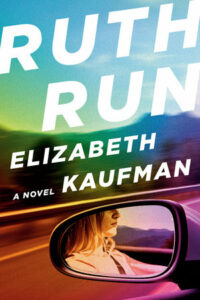
Ruth, an intelligent young woman who grew up in poverty, skilled as a shoplifter, now works for a network equipment company whose products are used by giant corporations. She has designed a chip with a purposeful flaw that, with a little coding help from her friend Thom, enables her to siphon money away from banks and into secret offshore accounts. She rationalizes the theft by saying it doesn’t involve real people, just banks, and who can resist money when it’s lying around, unprotected? Ruth is not strong on morality. But while she’s busy building up her illicit fortune, a transfer is flagged as fishy, an alert sounds, and she suddenly needs to run, fast as she can.
She’s being pursued by Mike, a government agent who has been watching her for some time. While she tries to cover her tracks and flee, he sees she’s making a mistake: stopping to pick up her friend Thom, who isn’t as savvy about privacy as she is. They barely make an escape from the agents who have come to arrest them before Thom makes a fatal mistake and she has to strike out on her own.
Ditching technology and pretending to be running from a violent boyfriend, she hitches a ride from a trucker who is both a fervent Christian and an apparent terrorist – he avoids the authorities as he makes multiple stops to load up on fertilizer on his way to a highly secret delivery point. Meanwhile, we gradually realize her pursuer, Mike, is not only despised by his colleagues as an ineffective and hapless operative, he’s been obsessively stalking Ruth for years, fashioning himself her protector while becoming increasingly unhinged.
What starts as a techno-thriller with a morally ambiguous heroine becomes a fast-paced picaresque adventure, as Ruth and her ride evade both the FBI and Homeland Security officials, cutting a path through a part of America peopled by violent militia members and isolationist Christian cultists, and Ruth begins to imagine a future that might not be the luxurious life of ill-gotten wealth she had planned but something altogether different, an open-ended set of possibilities.
Those looking for predictability or for clear-cut distinctions between heroes and villains may find this wild road trip unsettling, but Kaufman writes with a wry wit and an eye for peculiarities of Americana reminiscent of Jess Walter’s novels. It’s an original and offbeat debut that suggests Kaufman will have interesting stories to tell in the future.