
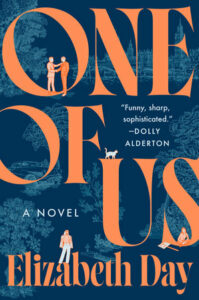
 Viking
Published February 24, 2026
Reviewed by Barbara Fister
Ben Fitzmaurice is blessed with money, charm, and the confidence that comes of being part of the ruling class. Revolving around his path toward being Prime Minister are his wife Serena, who is discovering that being a wealthy and attractive helpmeet for her husband’s ambitions is not all she hoped for as she enters middle age; Martin, a former schoolmate who did not come from money and never really fit in; and Jarvis who has enough money to buy his way in and a savage appetite, but lacks Ben’s polish. Ben and Serena’s eldest child has always rebelled against her class and has become an activist in a radical protest movement (modeled on Extinction Rebellion). Likewise, Ben’s sister Fliss has chosen a different path but has fallen into addiction. It’s her funeral, after drowning in Bali, that brings them all together just as Ben’s ambitions propel him to the top. But there is a family secret that will derail everything, and it all pivots on a horrific crime.
The crime itself is described in gruesome detail about halfway through the novel (consider this a trigger warning), a contrast to the author’s sometimes snarky, sometimes ironic, always insightful commentary on the characters and their motivations. Martin speaks to us through a journal with a sharp, sarcastic style that hides his vulnerability; Serena finds herself groping for an identity beyond that formed in her younger years, one in which women “should make themselves as slender as possible and then, perhaps, one day they could disappear entirely and let the men take over.” We follow the daughter as she embarks on a couple of risky protests that lead to disaster. One of them is at a reception at the British Museum where Ben and Serena make a PR-worthy appearance; Serena smolders as Ben quietly snipes at the absurdity of the exhibition’s “woke” subject: female rage.
There is no real mystery to solve here, though there is a crime and a covered-up police investigation. This is more of an investigation of the role of wealth and privilege in the distribution of power, a crime too vast to be easily resolved. The author combines acute observation of the political moment (one character, a bumbling politician, overcomes a scandal by being a contestant on a grotesque reality TV show that makes him instantly popular) and a surprisingly tender examination of a small group of people with disparate desires, all struggling one way or another with a need to belong.
Brilliantly plotted and acutely observed, One of Us is a smart political thriller wrapped inside a family drama that skewers privilege while treating its characters with insight and compassion.